
What a New Senior Housing Investment Deal Says About Demand, Not Consumer Pricing
1031 CF Properties says a Georgia senior living community is nearly full and stable enough for a new investor offering. That does not tell families what rates will be next month, but it does offer one clue about how in-demand some newer communities remain.
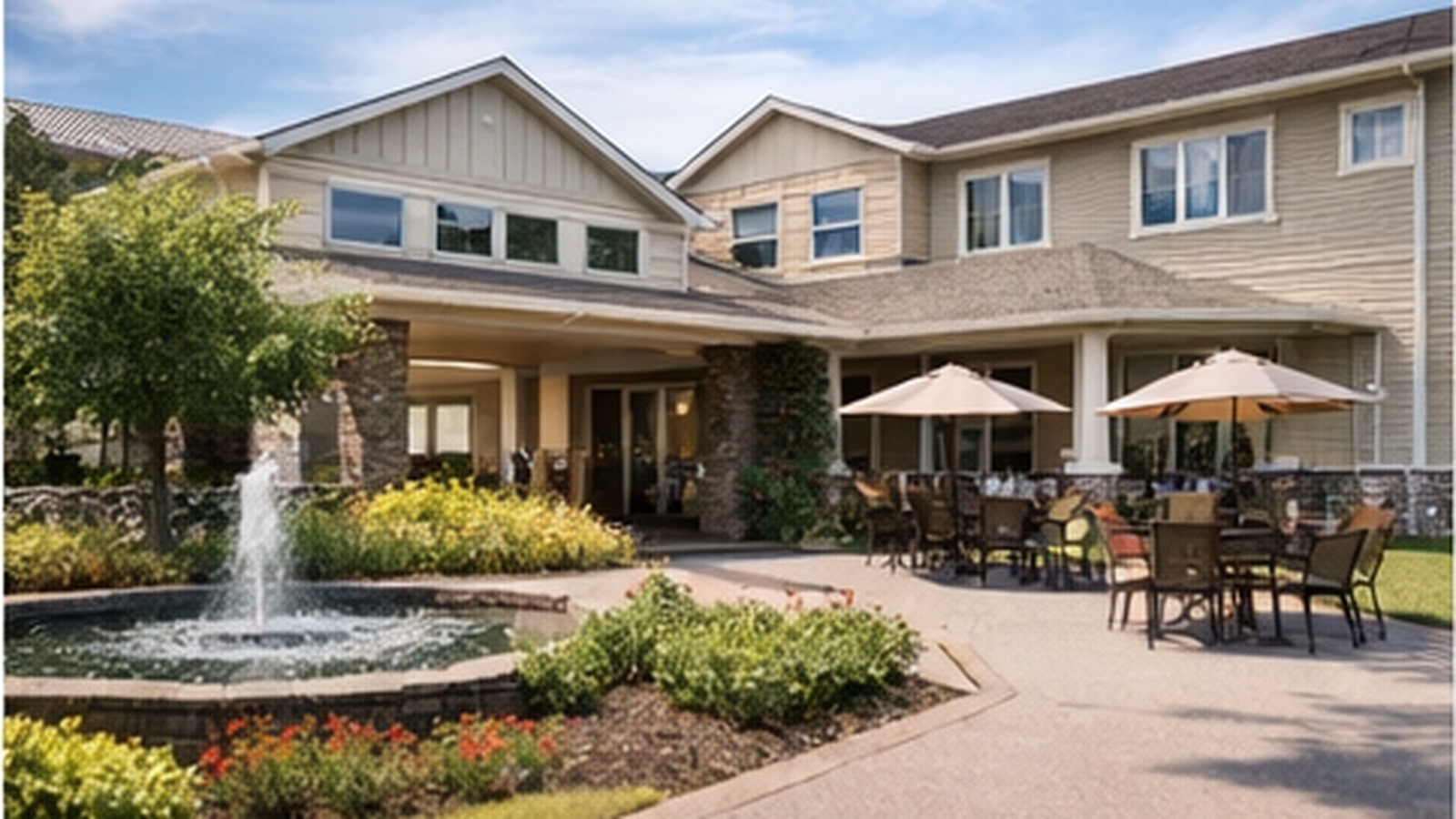
1031 CF Properties, a sponsor of real estate investment offerings, said it has launched a new Delaware Statutory Trust, or DST, built around Oaks at Eagle's Landing, a 122-unit senior living community in Stockbridge, Georgia. For families, this is not a consumer-facing care announcement. But it does matter as a small signal that investors are still interested in senior housing properties with high occupancy, newer buildings, and multiple care levels under one roof.
What happened
In the Sept. 10 BusinessWire release, 1031 CF Properties said its new offering, Senior Housing DST 12, includes Oaks at Eagle's Landing, a community offering independent living, assisted living, and memory care in the Atlanta metro area. The company said the property was built in 2022, includes a secure memory care wing, and was 98.4% occupied at the time of the announcement.
A DST is a legal structure often used in real estate investing, especially by people completing a 1031 exchange to defer capital gains taxes. That is mainly an investor product, not a service change for residents. The release did not announce a new opening, expansion, rate cut, staffing increase, or care program change for current or future residents.
What the announcement does show is what investors are looking for right now: newer communities, high occupancy, and a "continuum of care," meaning residents may be able to move from lighter support to more intensive help, including memory care, without leaving the property. Families comparing options often ask whether a community can handle changing needs over time. For background, Assisted Living Channel has guides on what assisted living actually includes and the differences between assisted living and memory care.
What this may mean for families
The practical takeaway is limited but still useful. A community that is almost 98% occupied may have strong local demand, which can mean fewer immediate openings, more selectivity on unit types, or less pricing pressure to offer discounts. For families shopping in or near Stockbridge or the wider Atlanta area, that could translate to tighter availability, especially for memory care or preferred room layouts.
It may also suggest that newer properties with a range of care types remain attractive in today's market. Families often want communities that can support a resident as needs change, rather than requiring another move later. If that is part of your search, it helps to ask detailed questions about move-in fees, level-of-care charges, and whether memory care is in a separate secure area. These questions are similar to what families should cover in a tour, including staffing, assessments, and pricing changes over time. Assisted Living Channel's guides on questions to ask on an assisted living tour and how to compare assisted living communities can help.
Just as important, the release says nothing about affordability. High occupancy can sometimes support higher rents, but this announcement does not include monthly pricing, concession activity, staffing ratios, resident satisfaction data, or inspection results. Families trying to budget still need to ask how base rent works, what services cost extra, and whether any public or veterans benefits may help. For those broader payment questions, see how to pay for assisted living.
What to keep in mind
This was a marketing release for an investment product aimed at accredited investors. That means the audience was not families choosing care, and the document was not designed to answer consumer questions about quality, staffing, complaints, or resident outcomes.
High occupancy is not the same thing as high quality. A nearly full building may reflect strong demand, a good location, newer construction, or limited competition nearby. It does not prove better care. Likewise, the phrase "stabilized" is investor shorthand for a property that has reached more consistent occupancy and operations; it is not a clinical quality measure.
Families also should not assume this kind of deal means a community is expanding services or lowering prices. In many cases, these transactions reflect who owns the real estate, not what day-to-day life is like for residents. To evaluate a specific community, families still need to review state records, ask about staff turnover, and understand what care is and is not included.
Bigger picture: why investor interest still matters
Even though this is an investor story, it belongs on Assisted Living Channel because capital affects care availability. When investors keep backing senior housing, operators and owners may have an easier time refinancing, maintaining buildings, acquiring communities, or funding future supply. When investment slows, it can become harder to open new communities or keep up with upgrades.
Still, one DST launch is not a broad market verdict. It is one data point showing that a newer, highly occupied senior living property in a growing metro area can attract capital. For families, that is most useful as a sign of where the market sees demand: newer communities, multiple care levels, and regions with aging population growth.
Quick questions readers may ask
- Does this mean Oaks at Eagle's Landing is raising prices? Not based on this release. No resident pricing details were included.
- Does 98.4% occupancy mean the community is high quality? No. It suggests demand, but not necessarily staffing strength, satisfaction, or clinical quality.
- Why should families care about an investor DST? Because investor interest can affect how much senior housing gets built, maintained, bought, or kept open over time.