
Bluffton Memory Care Project: What Kauhale's Redevelopment Plan May Mean for Families
Kauhale Health says it plans to turn a vacant former senior living property in Bluffton into a memory care-only community. For families in the Lowcountry, that could eventually mean one more dementia-care option, but not right away.
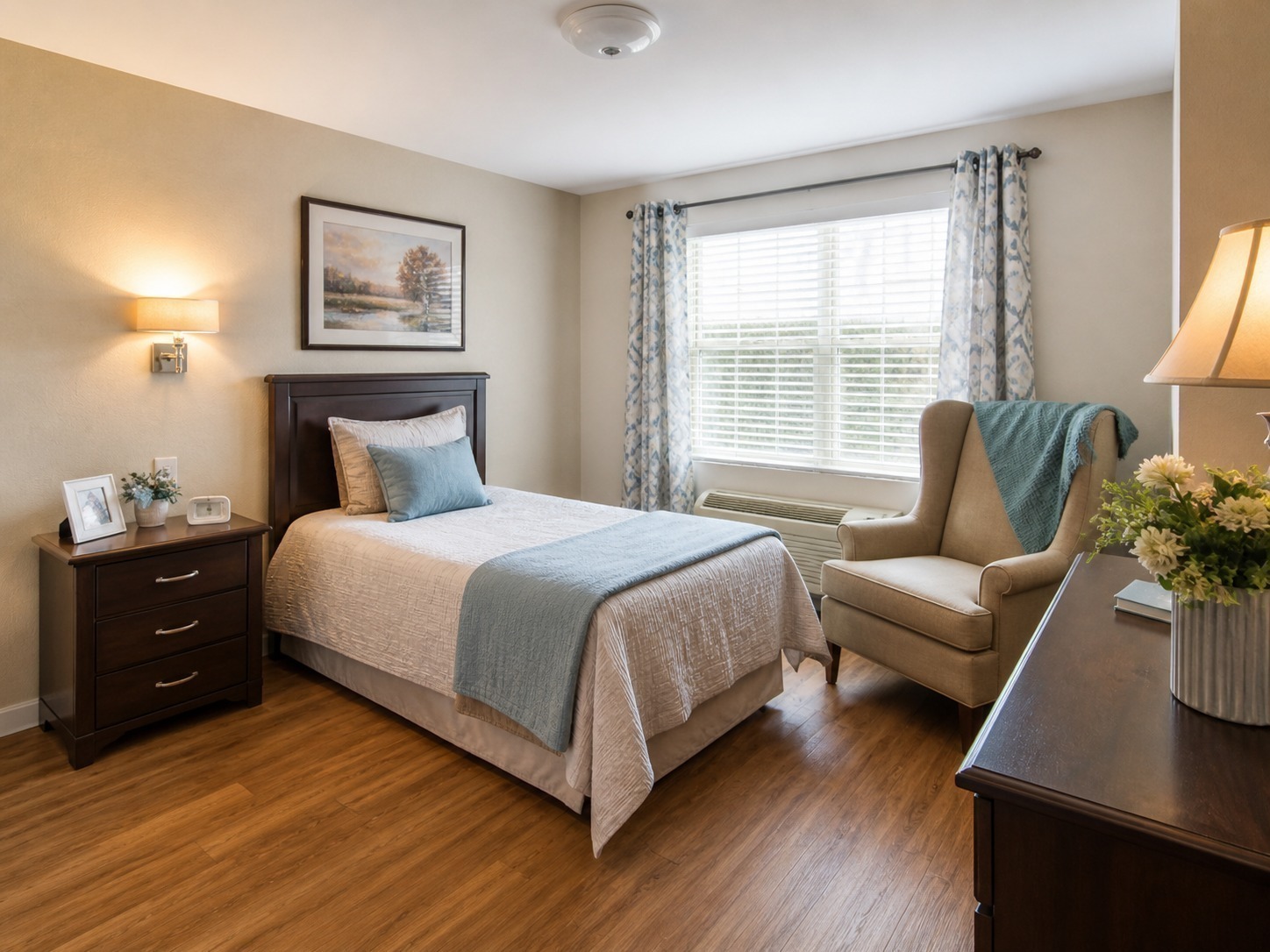
Kauhale Health said it has acquired the former Pines at Bluffton in Bluffton, South Carolina, and plans to spend more than $5 million to redevelop the vacant property into a dedicated memory care community called Kauhale Bluffton. Families should care because memory care can be hard to find, especially if you need a specialized setting for a parent or spouse living with Alzheimer's disease or another form of dementia.
What happened
According to a Sept. 30 PR Newswire release from Kauhale Health, the company bought a former assisted living and memory care property that is currently vacant and delicensed. The building previously had 61 units. Kauhale says it plans to renovate, relicense, and reposition the site over the next year as a memory care-only community serving up to 50 residents.
The company described the redevelopment as a major overhaul rather than a quick reopening. That matters because a vacant, delicensed building is not ready to take residents now. Families looking for immediate help should not assume this creates near-term openings. Instead, this is a future supply story: if the project stays on schedule and gets licensed, it could add a new memory care option in the Bluffton area sometime after renovation is complete.
Kauhale also said the finished community would be the Bluffton market's only property dedicated exclusively to memory care. A memory care-only setting typically means the building, staffing model, programming, and daily routines are designed around residents with cognitive impairment rather than split between assisted living and dementia care.
What this may mean for families
The practical value here is potential added choice. Families who are comparing care for someone with dementia often have to sort through the differences between general assisted living and a more specialized setting. If this project opens as described, it may give local households another option built specifically for residents with memory loss. If you are still learning the distinction, it helps to review how assisted living and memory care differ and what assisted living actually includes.
For local families, more supply can matter in a few ways. It may reduce pressure on existing memory care communities, possibly helping with availability or wait times. It may also give families more leverage when comparing pricing, care philosophy, staffing, and safety features. But a new memory care building does not automatically mean lower prices. Memory care is often more expensive than standard assisted living because residents usually need closer supervision, added staffing, and more structured support. Families should still expect to ask detailed questions about rates, level-of-care charges, and what is included. These guides on how to pay for assisted living and questions to ask on an assisted living or memory care tour can help.
This kind of redevelopment can also matter for adult children who are seeing signs that a loved one's current setting is no longer enough. If someone is wandering, becoming unsafe at home, or struggling in a traditional assisted living apartment, a dedicated memory care community may be a better fit. Families facing that decision may want to start with signs it may be time for assisted living and then compare communities carefully.
What to keep in mind
This information comes from a company press release, so it tells families what Kauhale plans to do, not what has already been delivered. The release does not include expected pricing, staffing ratios, a firm opening date, or details about license status beyond saying the property will need relicensing. It also does not prove future care quality.
That means families should treat this as an early development to watch, not a ready-to-book move-in opportunity. Before making decisions later on, it will still be important to confirm whether the community has opened, what license it holds, what dementia training staff receive, how nighttime staffing works, whether all units are private, and what extra monthly charges may apply. A fresh renovation can improve the building itself, but it does not answer the bigger questions families usually care about most: consistent staffing, turnover, resident oversight, and day-to-day dementia support.
Bigger picture: why this kind of project matters
This redevelopment points to a broader issue in senior care: many markets need more specialized dementia care, not just more generic senior housing. Reusing an older vacant property can be faster than building from the ground up, especially in growing retirement areas like Bluffton and the surrounding Lowcountry. If successful, projects like this can bring dormant properties back into service and expand care options without waiting years for brand-new construction.
At the same time, a memory care-only model works only if the operator can recruit and keep trained staff. That is often the limiting factor in senior living, even when a building is attractive and newly renovated. For families, that means the most important question is not just whether a property opens, but whether it can deliver stable care once residents move in.
Quick questions readers may ask
- Is this community open now? No. The property is vacant, and Kauhale said renovation and relicensing are expected to take place over the next year.
- Will this lower memory care prices in Bluffton? Possibly, but there is no guarantee. More local supply can help with choice and availability, but memory care usually remains one of the more expensive senior care options.
- Why does "memory care-only" matter? It usually means the building and care model are designed specifically for residents with dementia, rather than combining them with a broader assisted living population.