
Brightstar's Erdman Deal: What It May Mean for Future Senior Living Supply
A private equity firm has bought Erdman, a design company that works on healthcare and senior living projects. That does not change care today, but it may signal continued interest in building and renovating assisted living and memory care communities.
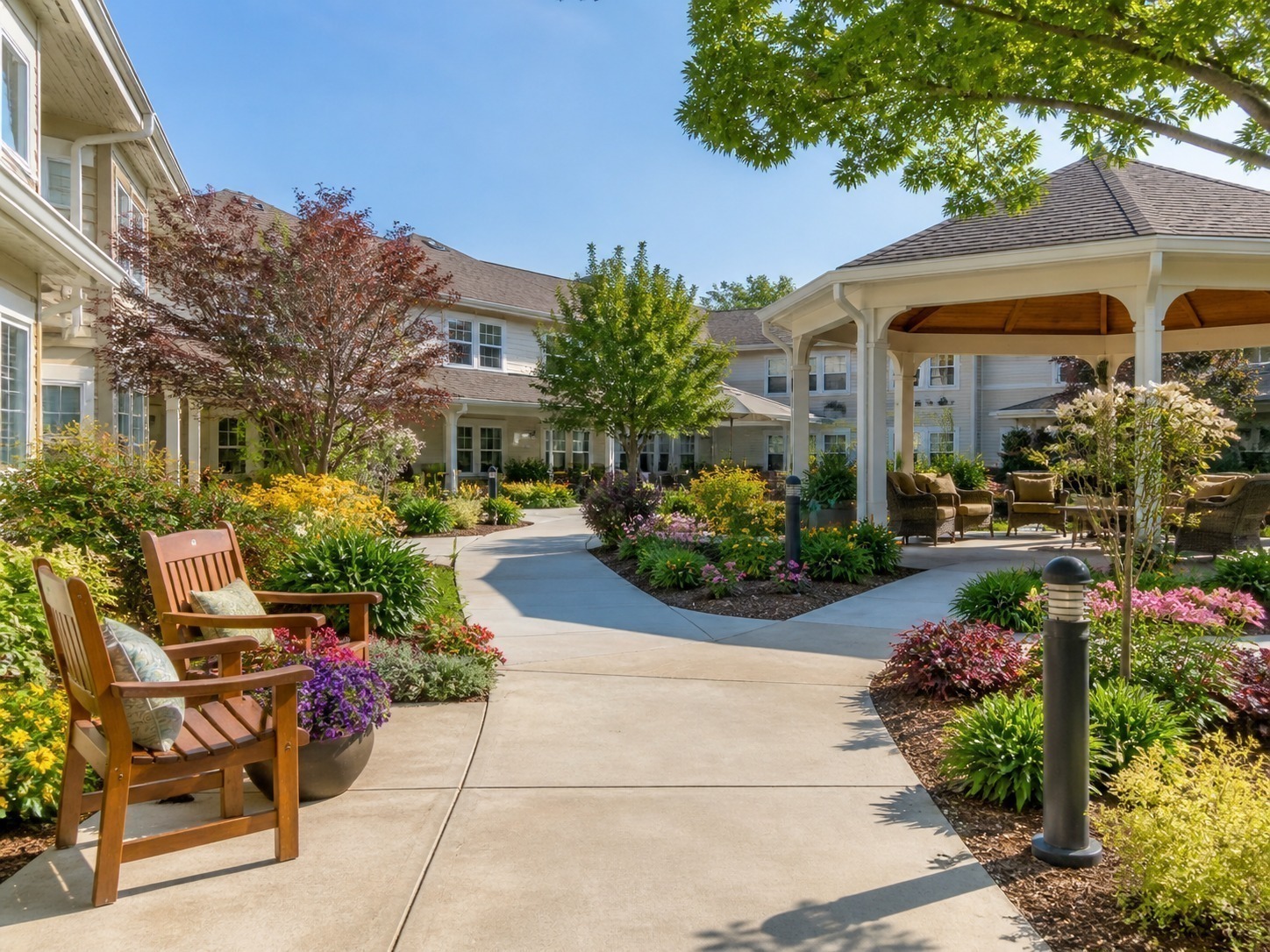
Brightstar Capital Partners said it has acquired Erdman, a Wisconsin-based architecture and engineering firm that designs healthcare buildings and senior living communities across the U.S. For families looking for assisted living or memory care, this is not a move that changes rates, staffing, or move-in options overnight. But it is relevant because design firms sit near the front end of the pipeline: when investors and operators keep buying firms that plan senior housing, it can be a sign they expect more demand for new buildings, renovations, or repositioned communities in the years ahead.
What happened
In a June 22 Business Wire release, Brightstar said Erdman will join KZF Design as part of Brightstar's architecture and design platform. Erdman, founded in 1951 and based in Madison, Wisconsin, specializes in healthcare facilities and senior living projects, including independent living, assisted living, and memory care. The company says it is licensed in more than 45 states.
The release also highlighted Erdman's planning tool, called ZeroIn, which the company says helps with market and facility planning. In plain English, that means Erdman does more than draw buildings. It also helps clients study where demand may be growing and what kind of facility may fit a local market.
Brightstar framed the acquisition around long-term aging demographics, including expected growth in the 80-plus population. That is a common theme in senior housing deals: more older adults usually means more pressure on the care system, especially for housing that offers help with daily activities or specialized dementia support.
What this may mean for families
The practical takeaway is mostly about future supply, not immediate care. If firms that specialize in senior living design are being bought and expanded, that can support more new construction, campus expansions, and renovations later on. Over time, that may help with availability in some markets, especially where families face limited choices or long waits for memory care.
That said, design activity does not automatically mean cheaper care. Newer buildings often come with higher rents, especially if they add larger apartments, hospitality-style amenities, or specialized memory care space. Families comparing options should still focus on what a community actually provides day to day, including staffing, care levels, and service fees. These guides on what assisted living actually includes, assisted living vs. memory care, and how to compare assisted living communities are often more useful than a company growth announcement.
For families who are early in the search, this kind of deal is also a reminder that senior living is still attracting capital even after years of staffing pressure and affordability concerns. That can be good news if your area badly needs more units. But if you are trying to solve a near-term problem, such as an urgent move after a hospitalization or a dementia diagnosis, it is smarter to focus on current openings, care fit, and payment options. Assisted living is usually paid for out of pocket, though some families may qualify for help through Medicaid programs or veterans benefits. These explainers on how to pay for assisted living and VA Aid and Attendance for assisted living can help.
What to keep in mind
This was a company announcement, not an inspection report, pricing update, or consumer quality study. It does not tell families whether any specific community will improve care, lower rates, add staff, or open new apartments soon. It also does not identify which projects Erdman may work on next, or in which cities those projects may appear.
It is also important not to confuse interest in development with broad affordability. A stronger building pipeline can improve choice in some markets, but many new communities target higher-income residents. Families still need to ask basic, practical questions on tours, including how care is priced, what happens if needs increase, and whether memory care or nursing support is available if health declines. Our checklist of questions to ask on an assisted living tour can help with that.
Bigger picture: why a design-firm deal matters at all
Senior living supply has been tight in many markets because development has been slowed by high construction costs, financing challenges, and labor shortages. In that context, an acquisition like this matters less as a standalone business story and more as a signal that some investors still believe long-term demand is strong enough to justify putting money into the companies that plan these facilities.
For readers of Assisted Living Channel, that matters because the availability problem often starts years before a community opens. First come land decisions, financing, and design work. Only later do families see new options on the ground. So while this is not direct consumer news, it is part of the upstream story behind why some areas have too few assisted living and memory care choices.
Quick questions readers may ask
- Does this mean more assisted living communities will open soon? Not necessarily soon. Design and planning happen well before construction and licensing, so any effect would likely take time.
- Will this lower assisted living prices? There is no evidence of that from this announcement. New supply can help competition in some markets, but new buildings are often expensive.
- Should families act on this news? Only indirectly. If you are searching now, focus on current care options, pricing, and quality questions rather than this acquisition itself.