
Monarch's Sale of 8 Senior Housing Properties: What It May Mean for Availability and Ownership Changes
Monarch Alternative Capital says it sold eight senior housing communities totaling more than 1,100 units. For families, the main question is not the deal itself, but whether ownership changes affect staffing, pricing, or day-to-day care.
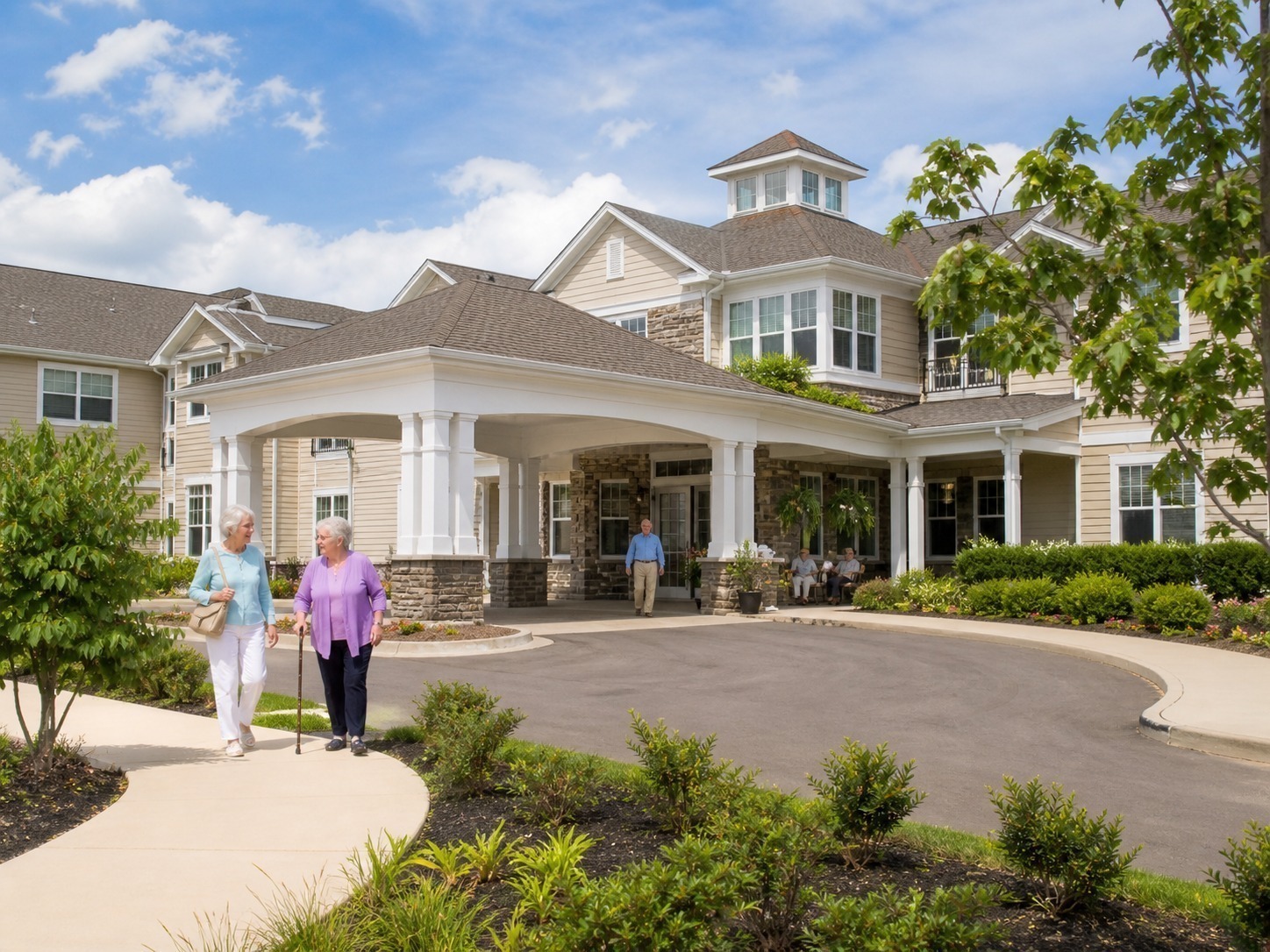
Monarch Alternative Capital said it completed the sale of eight properties in its seniors housing portfolio, covering more than 1,100 units across independent living, assisted living, and memory care. This is investor and real-estate news, but it still matters to families because a property sale can lead to changes in ownership, management priorities, capital spending, and sometimes pricing or service levels at the community level.
What happened
According to the company's Aug. 18 press release, Monarch had assembled the portfolio starting in 2021, during the market disruption caused by COVID-19. The firm said it bought into stressed situations when some owners and capital partners wanted liquidity, then sold the communities in 2026 through a series of transactions.
The company did not identify the eight communities by name in the release, and it did not say whether the operator at those properties will remain the same. It also did not disclose pricing for the transactions, where the buildings are located, or whether residents should expect immediate operational changes. Monarch said the buyers included a publicly traded healthcare REIT and a real estate private equity firm.
In plain English: the real estate changed hands, but the press release does not tell families much yet about what will happen inside the buildings. In senior living, that distinction matters. The building owner and the company running day-to-day care are sometimes different entities.
What this may mean for families
For current residents and people touring communities, a sale like this does not automatically mean care will change tomorrow. Many senior living properties continue operating under the same management team even after the real estate is sold. But families should know that ownership transitions can eventually affect budgets, renovation plans, staffing levels, and how aggressively a community raises rates.
If your loved one lives in one of the communities involved, this is a good time to ask direct questions: Is the operator staying the same? Are there any planned staffing changes? Will there be renovations or repositioning? Are monthly rates expected to change at the next renewal? Families comparing options may also want to review broader basics such as what assisted living actually includes, how assisted living compares with memory care, and the best questions to ask on an assisted living tour.
There is also a supply angle here. More investor interest in senior housing can help communities access money for upgrades or stabilize properties that struggled earlier in the decade. But stronger demand from investors can also mean owners push for higher rents or focus on higher-acuity, higher-margin care. For families already worried about affordability, it is worth reviewing how to pay for assisted living and what public programs typically do and do not cover, including whether Medicaid pays for assisted living.
What to keep in mind
This release is thin on details that matter most to families. It does not name the communities, disclose where they are, describe resident census trends, or explain whether staffing, services, or care models will change. It is also written from the seller's perspective, so it highlights investment timing and deal execution rather than resident impact.
Just as important, a portfolio sale is not the same thing as proof of better quality. A building can sell because it improved, because the market became more attractive, or simply because capital is flowing back into the sector. Families should not treat sale activity as a quality rating. Instead, compare actual care indicators: staffing stability, state inspection history, complaint patterns, turnover, move-out reasons, and contract terms. Our guide on how to compare assisted living communities can help families look past marketing language.
Bigger picture: why investors are buying and selling senior housing again
This deal fits a broader pattern in senior housing real estate. After the pandemic hurt occupancy and operations, some owners sold under pressure while others waited for recovery. As occupancy improved in many markets and new development stayed limited because of high costs, existing communities became more attractive to buyers. That can be a sign that the sector is stabilizing financially, but it does not guarantee lower prices or easier access for families. In some markets, limited new supply can actually keep waitlists and rents elevated.
Quick questions readers may ask
- Does a property sale mean residents have to move out? Usually no. Most sales do not force residents to leave, though contracts, rates, or management approaches can change over time.
- Will monthly assisted living prices go up because of this? Not necessarily, but new owners may review pricing, especially at renewal time or after renovations.
- How can families tell whether an ownership change is a problem? Ask about management continuity, staffing turnover, planned upgrades, and recent inspections or complaints before assuming the change is good or bad.