
What NHI's Colorado Senior Housing Deal May Mean for Availability and Care Options
National Health Investors says it invested $106.9 million to acquire seven senior housing properties in Colorado. For families, the practical question is whether new ownership will help keep communities operating steadily, staffed, and available.
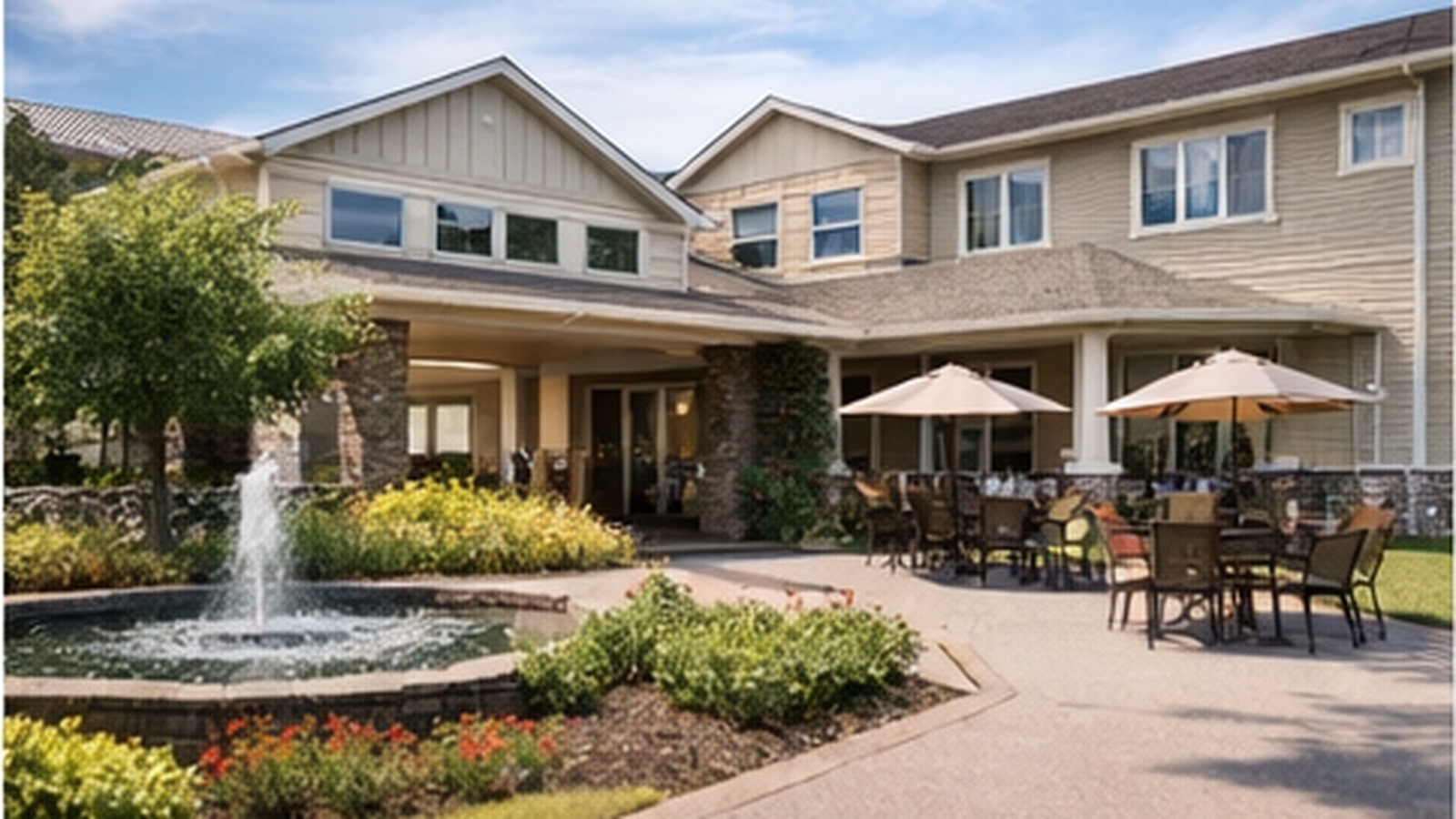
National Health Investors, a real estate investment trust known as NHI, said it has invested $106.9 million to acquire seven senior housing properties with 532 units in Colorado. The company said the buildings and healthcare operations will be part of its Senior Housing Operating Portfolio, or SHOP. Families should care because ownership changes can affect whether a community stays stable, how much money is available for upkeep, and in some cases whether care options like assisted living or memory care remain available in a local market.
What happened
According to the company's May 4 press release, the deal covers seven properties in Colorado totaling 532 units. NHI said it expects to invest another $3.6 million during the first year. The communities will be managed by Generations, LLC, which the company described as an existing operating partner.
The key industry detail is that these properties are going into NHI's SHOP segment. In plain English, that means NHI is not just collecting rent from an outside tenant under a long lease. Instead, the communities' operations are more directly tied to the owner's portfolio performance. That can matter because occupancy, staffing costs, and resident care demand can have a more direct effect on results.
NHI also said the communities are expected to generate an initial NOI yield of about 8.3%, or 7.8% after routine capital expenditures. That is investor language for projected operating return. It tells financial markets something about expected profitability, but it does not tell families much yet about resident experience, staffing levels, or future monthly rates.
What this may mean for families
At a basic level, this deal suggests these Colorado communities are expected to remain active senior housing properties rather than being sold off for another use. That may be mildly reassuring for families who worry about closures or abrupt ownership uncertainty in a tight market. If the additional first-year investment goes toward upgrades, repairs, or operational support, residents may eventually see benefits in building condition or service reliability.
That said, this announcement does not promise lower prices, better staffing, or improved care quality. Families comparing options should still ask direct questions about staffing ratios, turnover, care levels, and what is included in the monthly rate. If you are sorting through choices, it helps to review questions to ask on an assisted living tour and a practical guide on how to compare assisted living communities. It is also worth confirming whether a community is primarily assisted living, independent living, or memory care, since those services and costs can differ quite a bit; our guide to assisted living vs. memory care can help families sort that out.
For families already considering one of these Colorado communities, the most practical near-term questions are simple: Will management stay the same? Are there planned renovations? Are move-in dates or waitlists changing? And will monthly charges rise after the ownership transition? A press release about a property acquisition usually will not answer those questions on its own.
What to keep in mind
This is a company announcement, so it is designed to describe the transaction from the owner's perspective. It does not include resident satisfaction data, state inspection findings, staffing metrics, or complaint history. It also uses forward-looking language about expected returns, which may or may not match what happens in practice.
Another limit: the release does not identify the seven communities by name in the text provided, which makes it harder for families to immediately connect the news to a specific location or compare state records. If a family is looking at one of these properties, they should ask for the exact community name and license details, then review the relevant state oversight information and recent operating history before making a decision.
Bigger picture: why this kind of deal matters
Senior living real estate deals can be easy to dismiss as investor news, but they can signal something real about supply and confidence in a local market. When an owner commits more than $100 million to assisted living, independent living, or memory care properties, it usually means the buyer believes there is sustained demand from older adults in that region. In Colorado, that can be one more sign that established communities still have value even as the industry continues to wrestle with labor costs, affordability pressures, and uneven occupancy recovery.
For families, the bigger issue remains affordability. Even if communities stay open and ownership looks stable, many households still need help understanding what assisted living actually includes and how to pay for it. These guides on what assisted living actually includes and how to pay for assisted living are often more useful than investor metrics when you are making an actual care decision.
Quick questions readers may ask
- Does this mean these Colorado communities will get better? Not necessarily. New ownership can bring investment and stability, but the release does not provide evidence of better care, lower prices, or stronger staffing.
- What does "SHOP" mean? It stands for Senior Housing Operating Portfolio. In general, it means the owner is more directly tied to how the communities perform, rather than just collecting rent from a tenant.
- Should families change their plans because of this news? Usually no. If you are considering one of the affected communities, use the news as a reason to ask more questions about management, rates, repairs, and care availability.