
Rehoboth Beach Assisted Living Project: What a New 144-Unit Community May Mean for Families
REDICO and Ciel Senior Living say they plan to develop a new senior living community in Rehoboth Beach, Delaware, with independent living, assisted living, and memory care. For families, the practical question is whether this will meaningfully expand local options—and how long that may take.
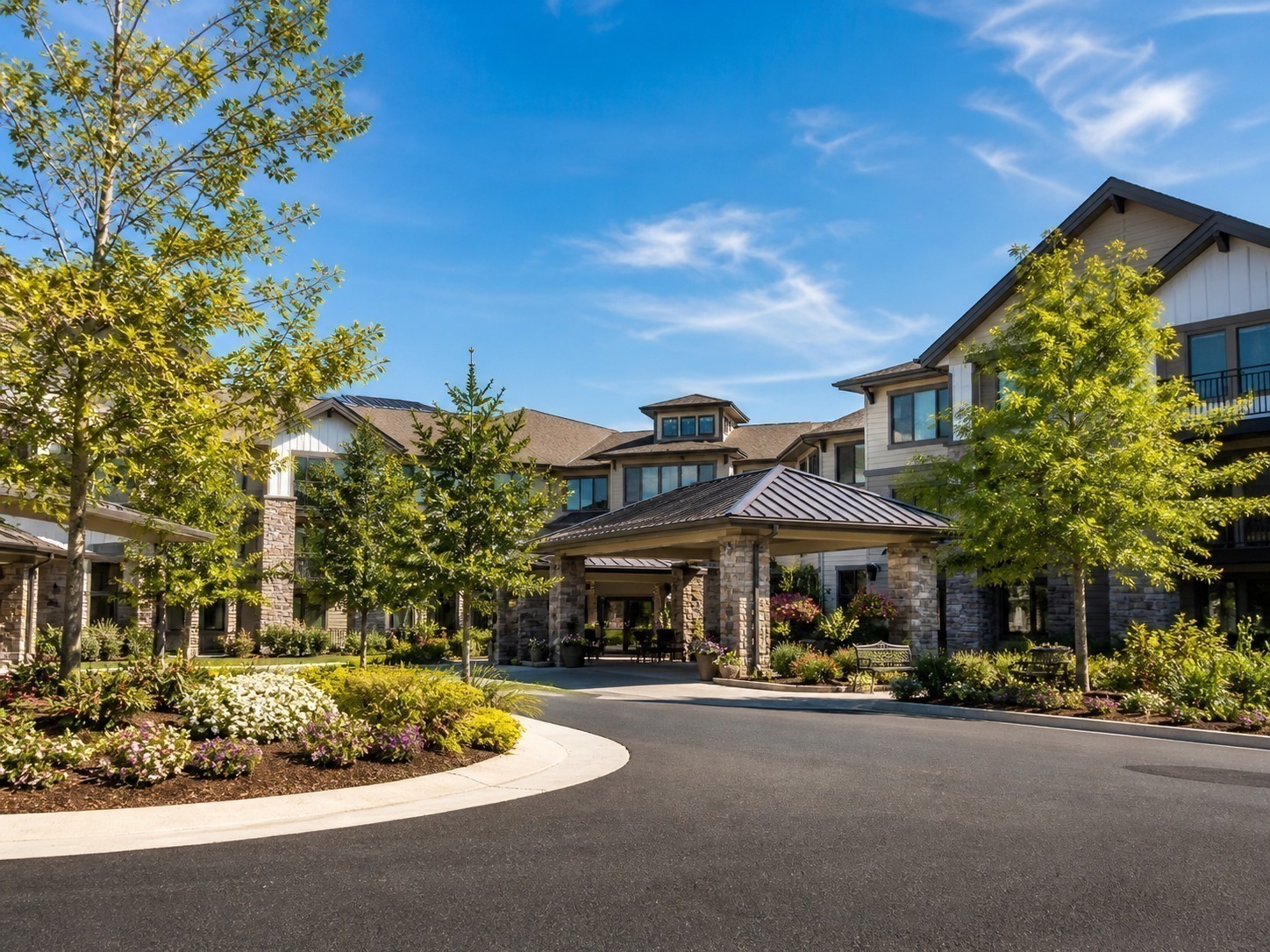
REDICO and Ciel Senior Living said in a July 8 announcement that they have formed a joint venture to build a new senior living community in Rehoboth Beach, Delaware. The planned project matters to families because Sussex County has been growing, and new senior housing can affect local availability, waitlists, and the range of care choices for older adults who want to stay near home.
What happened
According to the PRNewswire release, the project—called Ciel of Rehoboth—is expected to open in 2028 and include 144 units across independent living, assisted living, and memory care. REDICO said it will lead development and investment strategy, while Ciel will operate the community.
The companies framed the project as a sign that developers and lenders are becoming more willing to finance new senior housing again. That is notable because many planned senior living projects around the country have been slowed or canceled in recent years due to high construction costs, borrowing costs, and labor pressures.
The release does not include pricing, construction start timing, floor plans, licensing details, staffing ratios, or whether any part of the community will serve middle-income residents. It also does not say how many of the 144 units will be assisted living versus memory care versus independent living.
What this may mean for families
If the project is completed on schedule, it could modestly expand senior living options in the Rehoboth Beach area. That matters most for families comparing levels of care. A community that includes independent living, assisted living, and memory care in one campus may be attractive to people who want the possibility of aging in place rather than moving again if needs change. If you are sorting out those differences now, it helps to understand what assisted living actually includes and how assisted living and memory care differ.
Still, this is future supply, not immediate help. A planned 2028 opening means families who need care in the next few months probably should not treat this as a near-term option. For those planning ahead, though, a new community can eventually create more tour opportunities, more floor-plan choices, and sometimes more pricing competition—especially if local inventory has been tight. Families comparing communities should still ask careful questions about staffing, care levels, extra fees, and move-in policies. This checklist of questions to ask on an assisted living tour and this guide on how to compare assisted living communities can help.
Another practical issue is payment. Newer communities with resort-style amenities often come with higher monthly rates, and the release strongly suggests this project will be positioned at the upper end of the market. Families should not assume a new building means affordable pricing. If cost is a major concern, review broader options for how to pay for assisted living, including Medicaid rules, veterans benefits, and private-pay planning.
What to keep in mind
This was a company press release, so it is useful mainly as an early signal that a project is planned—not as proof that the community will open on time, at a certain price, or with a particular quality level. Development projects can face delays tied to permitting, financing, labor availability, or construction costs.
Families should also be careful not to read too much into brand language like "luxury," "resort-style," or "personalized wellness." Those terms do not tell you what staffing will be like on evenings and weekends, how care needs are reassessed, whether memory care has meaningful programming, or how often rates rise after move-in. Those are the details that usually matter most once a resident is actually living there.
Bigger picture: why developers are building again
This announcement fits a broader trend: in some markets, senior living operators and developers are trying to add new units after a period when construction was muted. For families, that can be a mixed signal. On one hand, more supply may eventually mean more choice. On the other hand, many new projects target higher-income residents because financing and construction costs are still elevated. So a new building does not necessarily solve the affordability problem facing many older adults and their families.
It is also worth watching whether more communities are built with multiple care types under one roof. That model can be easier for families navigating changing needs over time, especially when a loved one begins in independent living and later needs more support.
Quick questions readers may ask
- Will this help families right away? No. The companies said the community is expected to open in 2028, so it is not a near-term option for families needing placement now.
- What types of care are planned? The release says the community will include independent living, assisted living, and memory care.
- Does the announcement say what it will cost? No. The companies did not release pricing, fee details, or affordability information.