
What Sonida's First-Quarter Results Say About Occupancy, Pricing, and Expansion
Sonida Senior Living says more of its units are filled and its portfolio is much larger after a major acquisition. For families, the practical questions are whether that means better local availability, higher monthly rates, and steadier staffing.
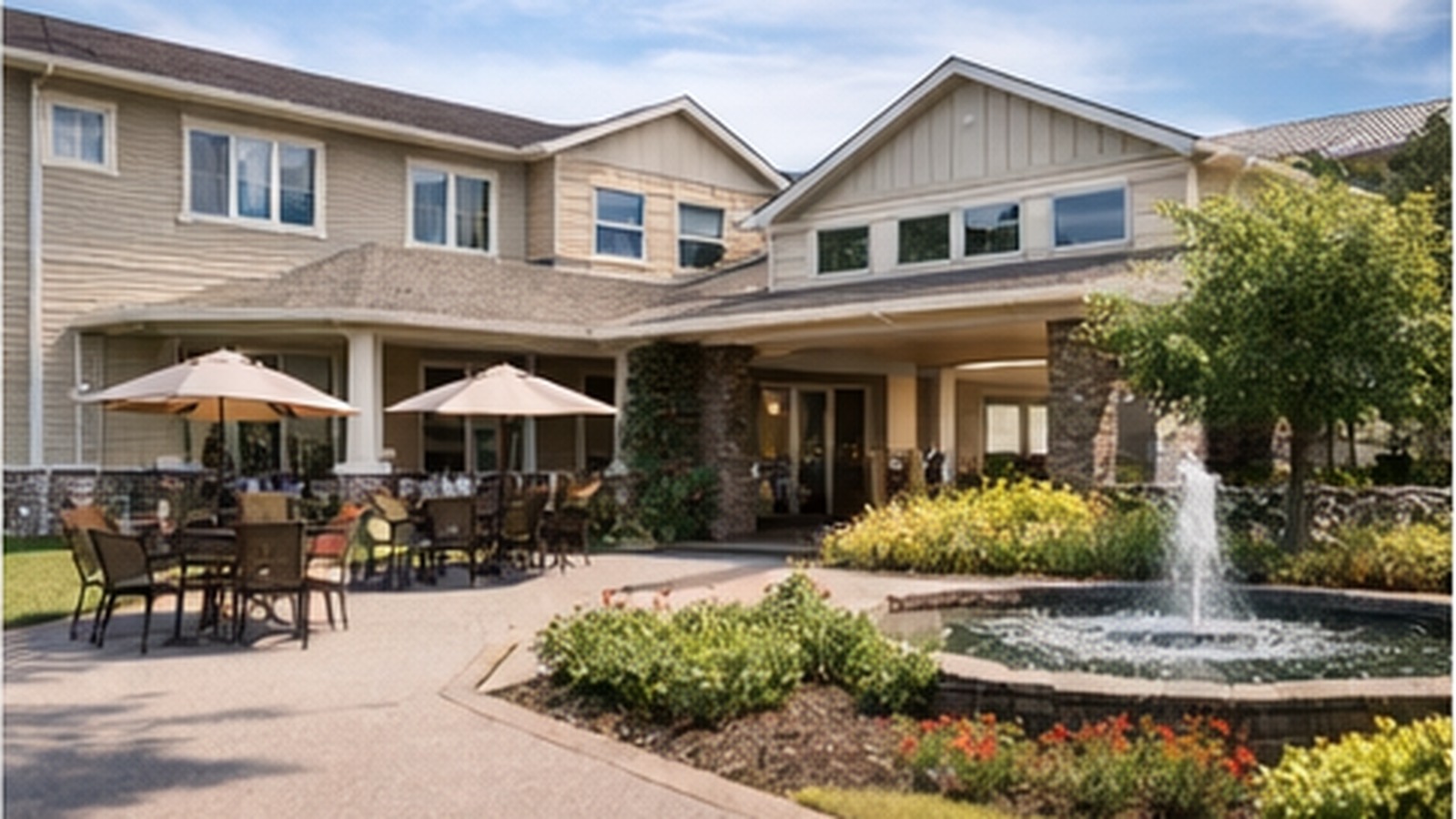
Sonida Senior Living said in its first-quarter 2026 earnings release that occupancy rose, resident revenue increased, and the company is now much larger after closing its acquisition of CNL Healthcare Properties in March. That matters to families because a larger operator with fuller buildings can affect the basics people actually care about: whether there are openings nearby, how fast rates may rise, and whether a company has the resources to support staffing and care across assisted living and memory care communities.
What happened
Dallas-based Sonida said first-quarter resident revenue rose 36.7% from a year earlier, helped mainly by the acquisition of CNL Healthcare Properties, or CHP. That deal added a national portfolio of 69 senior housing communities, including 54 operating communities and 15 triple-net leased properties, and pushed Sonida to 165 communities across 35 states.
On the operating side, Sonida said same-store weighted average occupancy rose to 87.2%, up from 85.0% a year earlier. The company also reported higher revenue per available unit and revenue per occupied unit, both signs that communities were not only filling more units but also collecting more revenue from occupied units. In plain English, more apartments were occupied, and residents were paying more on average.
The company still posted a net loss for the quarter, but Sonida said much of that was tied to one-time merger and restructuring costs. It also took on a large amount of new debt to finance the deal and said it expects to refinance part of that borrowing, including a bridge loan due in March 2027.
What this may mean for families
The clearest takeaway is that Sonida is trying to grow while riding a broader industry trend: more senior living units are being filled in many markets as older adults move back into congregate care settings. For families, stronger occupancy can cut two ways. It can be a sign that communities are stabilizing and may have more money to invest in operations. But it can also mean fewer discounts, less bargaining room, and tighter unit availability in desirable buildings.
The rise in Sonida's "revenue per occupied unit" is especially worth noticing. That often points to rent increases, higher care charges, or a mix shift toward residents who need more services. Families comparing communities should ask not just for the base monthly rate, but for the full care-pricing structure and how often rates are reviewed. Practical guides like how families pay for assisted living, what assisted living actually includes, and how assisted living differs from memory care can help you compare offers that may look similar at first glance but carry very different monthly costs.
There is also a scale question. A company operating 165 communities may be better positioned to centralize training, purchasing, and technology. Sonida specifically highlighted an internal data tool it says helps teams manage performance and resources. That could support consistency, but families should not assume company-wide financial improvement automatically means care is better in any one building. Before choosing a community, it is still smart to use a detailed tour checklist and compare staffing, cleanliness, move-in fees, care add-ons, and complaint history side by side. These guides can help: questions to ask on an assisted living tour and how to compare assisted living communities.
What to keep in mind
This was an investor-facing earnings release, so it tells us more about Sonida's financial direction than about the day-to-day resident experience in a specific community. Terms like RevPAR, RevPOR, NOI, and Adjusted EBITDA are useful for spotting trends, but they do not measure whether call lights are answered quickly, whether caregivers stay on the job, or whether residents and families are satisfied.
It is also important that some of Sonida's "pro forma" figures are estimates that assume the CHP merger had already been in place for earlier periods. The company itself said those estimates are still subject to revision. And while Sonida reported more cash on hand after the transaction, it also added substantial debt and will need to refinance part of it. Families do not need to track every loan detail, but they should understand the broad point: growth financed with debt can bring opportunities, yet it can also create pressure to keep occupancy high and rates rising.
Bigger picture: why occupancy and consolidation matter
Sonida's quarter fits a larger senior living pattern. Many operators are still benefiting from demand recovery, while new development remains limited because construction and financing are expensive. That combination can support higher occupancy and stronger pricing for existing communities. For families, that may mean fewer brand-new options in some markets and more urgency when a good assisted living or memory care opening becomes available. It also means comparison shopping matters more than ever, especially if you are deciding whether your relative needs independent living, assisted living, memory care, or a nursing home level of care. A helpful place to start is assisted living vs. nursing home and signs it may be time for assisted living.
Quick questions readers may ask
- Does this mean Sonida communities will cost more? Not automatically, but higher revenue per occupied unit often points to rate increases or higher care charges, so families should ask for a full pricing sheet.
- Is higher occupancy good or bad for residents? It can be both. Higher occupancy can support financial stability, but it can also mean fewer openings and less pricing flexibility.
- Does this earnings report prove care quality improved? No. It shows business and occupancy trends, not direct measures of resident experience, staffing quality, or complaint performance at individual communities.