
What St. John's United's $191 Million Montana Financing May Mean for Senior Living Options
St. John's United, a senior living provider in Billings and Laurel, Montana, has lined up major project financing for expansion and debt refinancing. For families, the practical question is whether this leads to more availability and better care options, and how long that may take.
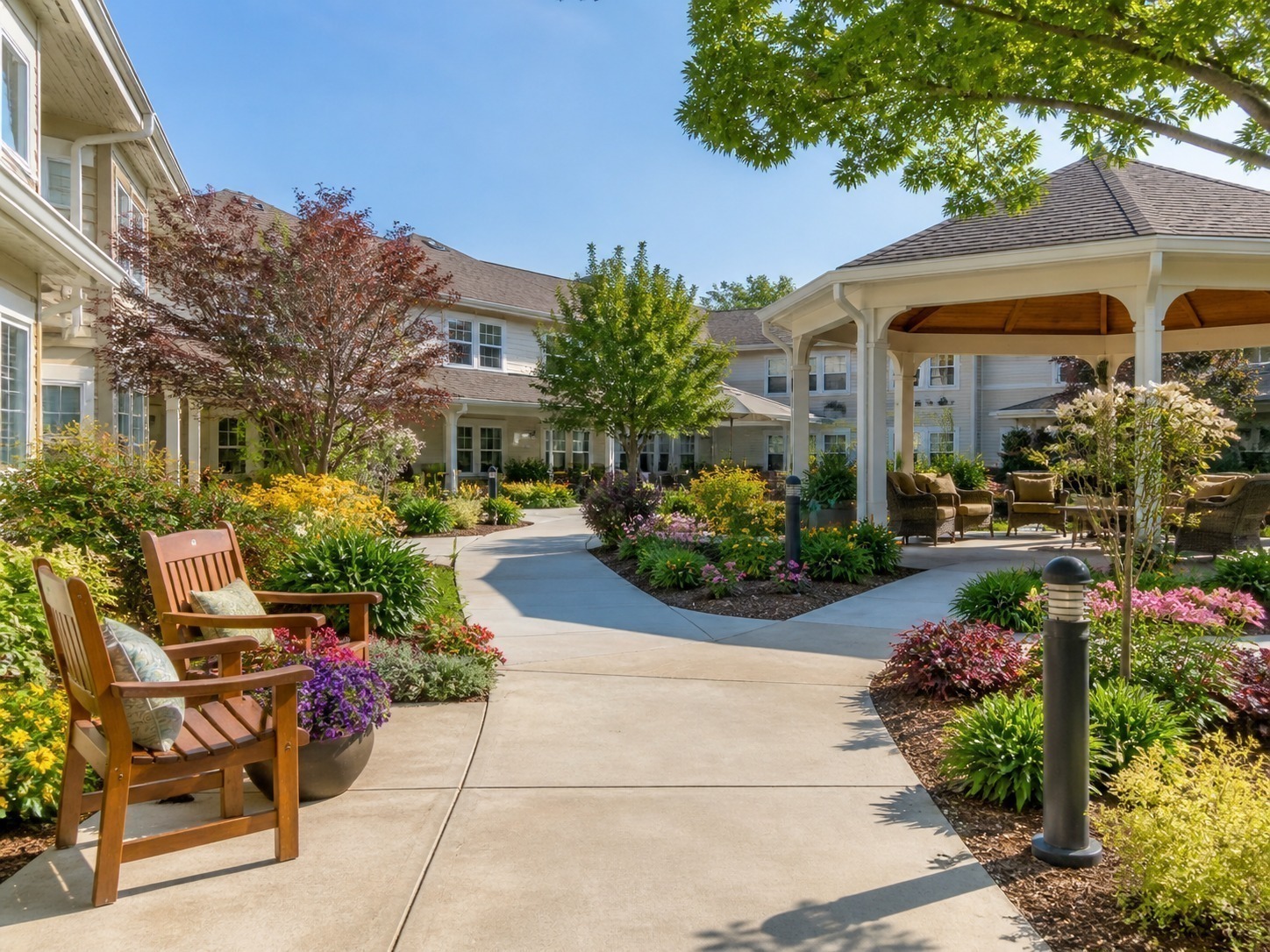
St. John's United, a nonprofit senior living provider serving the Billings and Laurel, Montana area, has closed a $191.46 million bond financing arranged by Ziegler, according to a July 10 press release. This matters to families because financing of this size can affect future housing availability, the pace of expansion, and the mix of care options a provider is able to offer over time.
What happened
According to the release, the financing will support what St. John's calls its Aeries project and related work across its campuses. The organization says it currently operates five senior living communities with independent living, assisted living, memory care, and skilled nursing in the Billings and Laurel markets.
The expansion described in the release is mostly focused on independent living. It includes a new 12-story tower with about 95 independent living units on the main campus, 19 moderate-income independent living apartments called Chapel Court Living, and four new independent living four-plex buildings on the WyndStone campus. The bond proceeds will also refinance some existing debt and cover other financing-related costs.
This is an important distinction for readers: while the provider offers assisted living, memory care, and skilled nursing today, the newly described construction is not primarily an assisted living expansion. It is more of a housing and balance-sheet story than a direct increase in higher-acuity care beds.
What this may mean for families
For families in the Billings and Laurel area, the clearest potential benefit is future availability. If new independent living units open as planned, some older adults who are currently staying in larger homes or waiting for senior housing may have more options. In some cases, adding independent living can also free up movement within a provider's system, making it easier for residents to transition later into assisted living or memory care if needs change.
That said, families looking right now for help with daily care should read this carefully. The release does not say St. John's is adding new assisted living, memory care, or skilled nursing units as part of this project. So this financing may improve the provider's long-term campus footprint without immediately changing the supply of hands-on care. If you are comparing care levels, it helps to review the differences between assisted living and memory care, as well as what assisted living actually includes.
There is also a pricing angle. Large construction and refinancing deals can stabilize an organization if managed well, but they do not automatically make care cheaper. New independent living buildings, especially towers with amenities, can be priced at the higher end of a local market. The mention of 19 moderate-income apartments is notable because it suggests at least part of the project is aimed at a broader group of older adults, but the release does not provide rents, entrance fees, or affordability thresholds. Families should still ask detailed questions about monthly costs, future increases, and what services are included. Guides on how to pay for assisted living and questions to ask on an assisted living tour can help frame those conversations.
What to keep in mind
This was a financing announcement, not a quality report, staffing report, or resident-care inspection. It tells families that capital is in place for expansion and refinancing, but it does not prove anything by itself about day-to-day care quality, staffing levels, resident satisfaction, or whether openings will arrive on schedule.
The press release also notes that some of the short-term debt is expected to be repaid when certain projects reach about 80% occupancy. That is a financial milestone, not a family-facing promise. In plain English, it means the project still depends in part on filling units after they open. Construction timelines, local demand, labor costs, and interest-rate conditions can all affect how smoothly that process goes.
Another limit: the announcement uses a large headline number, but not all of that money is going into new buildings. Some of it is refinancing older debt, paying reserves, funding interest during the project period, and handling other transaction costs. For families, that means the headline dollar amount is not the same thing as new care capacity.
Bigger picture: why financing stories still matter
Even though this is not a direct inspection or pricing story, financing can shape what care choices exist a few years from now. Many nonprofit senior living organizations are trying to update older campuses, add housing, and manage debt at a time when construction costs and staffing costs remain high. When a project gets funded, it can be a sign that a provider expects long-term demand from older adults in its region.
For families, the practical lesson is to treat this as an early signal, not a final answer. If you are planning ahead for a parent or spouse, stories like this can tell you which organizations are trying to expand and which local systems may offer a fuller continuum of care later. But for an immediate move, you still need current facts on waitlists, care levels, staffing, and costs. If you are still sorting through options, it may help to review how to compare assisted living communities and the signs it may be time for assisted living at this guide.
Quick questions readers may ask
- Does this mean more assisted living units are opening soon? Not based on this release. The new construction described is mainly independent living, not assisted living or memory care.
- Will this lower prices for seniors in Montana? There is no evidence of that in the announcement. New development can improve options, but it does not automatically reduce monthly costs.
- Why should a family care about a bond financing? Because financing affects whether a provider can expand, renovate, refinance old debt, and keep building out future care options in a local market.