
The Bristal at Lynbrook Adds a Brain Wellness Space: What Families Should Know
The Bristal says it has renovated shared spaces at its Lynbrook assisted living community and added a new "BrainFit Gym" focused on cognitive wellness. For families, the practical question is whether new amenities translate into better daily life, appropriate care, and value for the price.
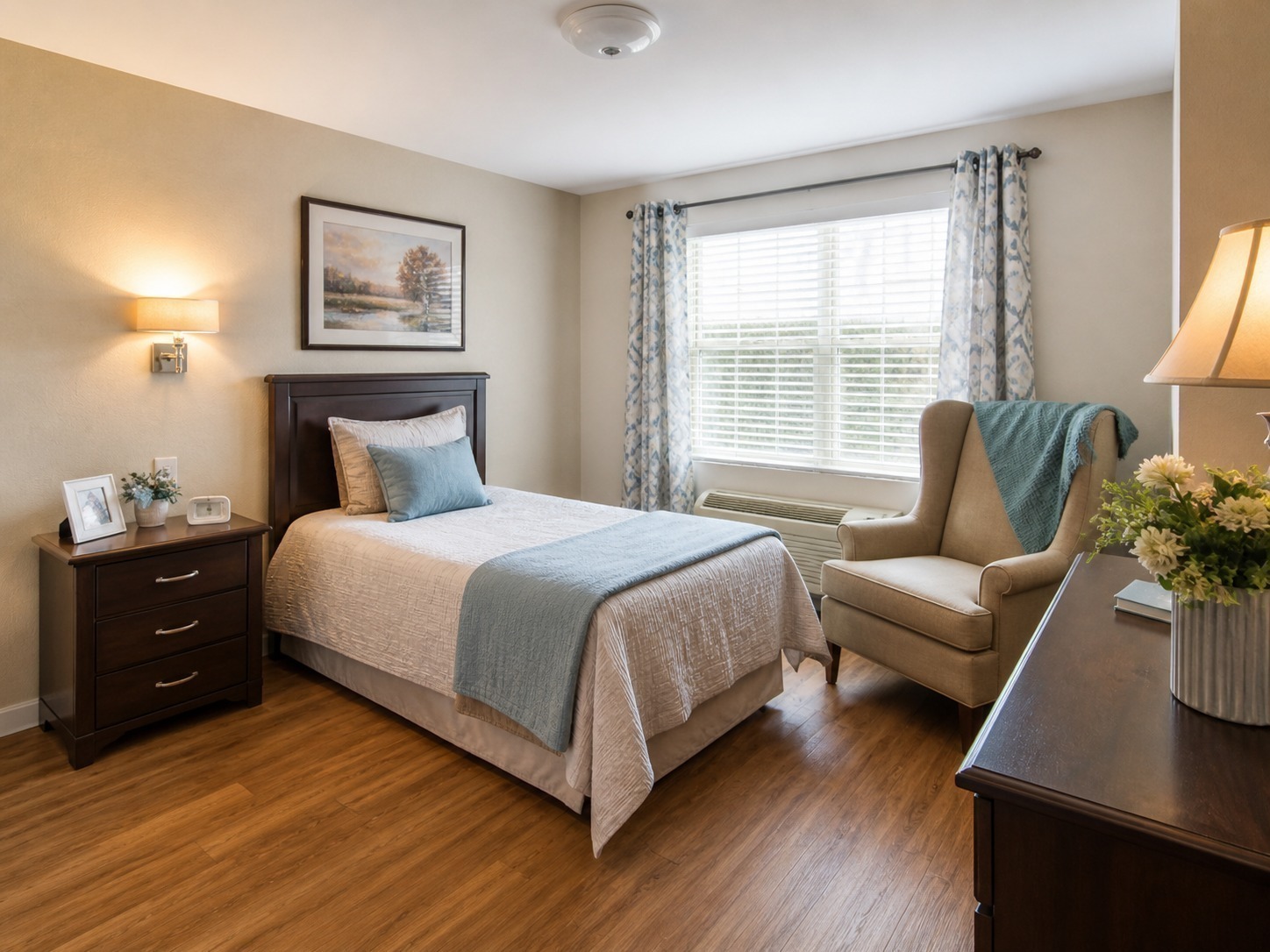
The Bristal Assisted Living said in a June 24 press release that it has completed a broad refresh of The Bristal at Lynbrook on Long Island, including updated common spaces, a redesigned library and dining area, and what it calls Long Island's first BrainFit Gym. Families may care because when a community highlights new cognitive-wellness amenities, it can affect how it markets itself, how it compares with other assisted living and memory care options, and potentially how much residents are asked to pay.
What happened
According to the company, the Lynbrook community's renovation focused on shared resident spaces rather than a new building or expansion. The release describes updated interiors and gathering areas meant to make the community feel more modern and more functional for day-to-day use.
The headline feature is the new BrainFit Gym, a dedicated area for activities and equipment aimed at "cognitive fitness," including tools intended to engage memory, reaction time, processing speed, executive function, and movement. The company also said residents will have access to newer wellness technologies through a partnership with Brainnovation Network, including a ShiftWave Chair and a Red Light Helmet.
That is the core of the announcement. The release does not include pricing changes, staffing levels, occupancy, resident outcomes, or any independent evidence showing that the new wellness tools improve cognition, reduce decline, or change care quality.
What this may mean for families
For a family touring communities, this kind of upgrade can matter most in three ways: resident engagement, sales positioning, and cost. A refreshed building and more structured cognitive programming may make a community more appealing, especially for older adults who are socially isolated or who would benefit from more daily activity. Families often ask whether assisted living offers enough meaningful programming beyond meals and medication reminders, and that is a fair question to raise here. If you are comparing options, it helps to understand what assisted living actually includes and how activity programming fits into the overall care plan.
The harder question is whether a specialized brain-wellness room makes this community a better fit than another assisted living or memory care setting. A new amenity is not the same as a higher level of care. Families should ask whether the resident would use it regularly, who supervises the activities, how staff are trained, and whether the offering is appropriate for mild forgetfulness, diagnosed dementia, or neither. That is especially important if you are weighing assisted living versus memory care for a loved one with cognitive changes.
There is also a pricing angle. Communities sometimes use renovations and premium wellness features to support higher monthly rates or community fees, even if the press release does not say that directly. Before treating a new amenity as a deciding factor, families should ask for the current rate sheet, care-level charges, move-in fees, and what happens if the resident needs more help later. Our guides on how to pay for assisted living and questions to ask on an assisted living tour can help families press for specifics instead of marketing language.
What to keep in mind
This is a company press release, so it is best read as an announcement of new features, not as proof of better care. Terms like "cognitive wellness," "neuroplasticity," and "next-generation tools" can sound promising, but the release does not provide clinical data, resident results, or outside evaluation. It also does not say whether the BrainFit Gym is included in standard pricing, requires extra fees, or is aimed at assisted living residents, memory care residents, or both.
Families should also remember that the quality of daily life in senior living usually depends more on staffing consistency, care planning, responsiveness, and resident fit than on one standout amenity. A beautiful common room or specialized gadget may be a nice addition, but it does not answer basic questions about call response times, staff turnover, nurse availability, dining satisfaction, or how the community handles changes in cognition and behavior.
Bigger picture: why communities are emphasizing cognitive wellness
This announcement fits a broader pattern in senior living: communities are trying to stand out by offering more wellness-focused programming, especially around brain health and memory support. That makes sense from a family perspective, since many residents move in after relatives notice isolation, forgetfulness, medication trouble, or safety concerns at home. If your family is early in that process, it may help to review the common signs it may be time for assisted living and compare not just appearances but care models, staffing, and support for changing needs.
Quick questions readers may ask
- Does this mean The Bristal at Lynbrook has expanded care services? Not based on the release. The announcement is about renovated spaces and cognitive-wellness amenities, not a new license level or expanded clinical care.
- Is a BrainFit Gym the same as memory care? No. A wellness room or brain-health program is not the same thing as a dedicated memory care program with specialized staffing, structure, and safety features.
- Should families expect higher prices after a renovation? Possibly, but the release does not say. Families should ask for current rates, level-of-care charges, and whether any new wellness offerings are included or billed separately.