
The Osborn's Rye ‘Wisdom Gallery' Is Meaningful, but It Doesn't Change Senior Care Options
A new exhibit in Rye, New York highlights the lives of older adults and may help families think differently about aging. But the announcement does not include new information about pricing, staffing, waitlists, or care access.
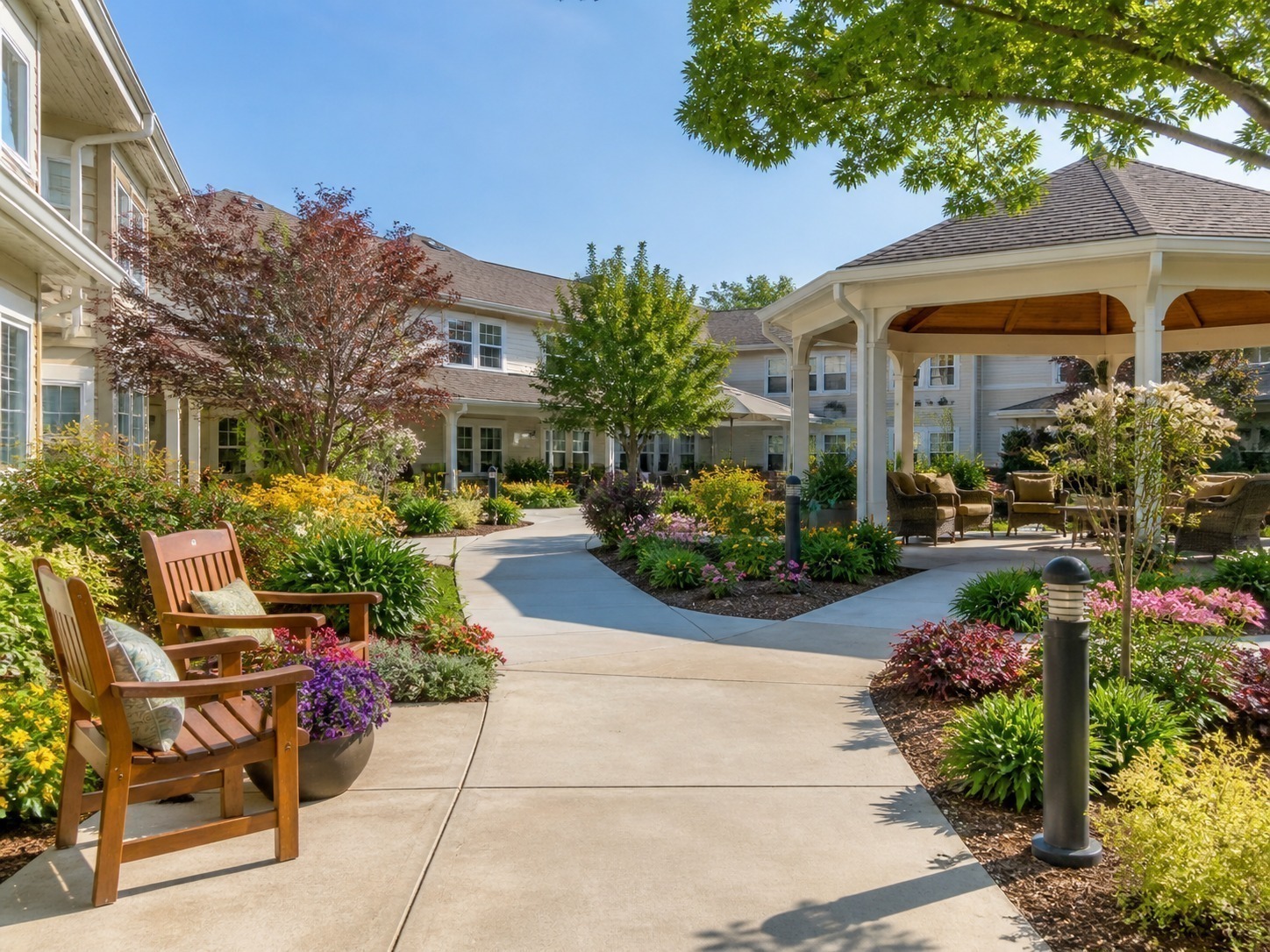
The Osborn, a not-for-profit senior living provider in Rye, N.Y., said the Rye Free Reading Room is hosting its second annual "Wisdom Gallery," an exhibit of portraits and personal reflections from local older adults. For families researching senior living, this is mainly a community and culture story, not a care operations update. It may offer a window into how one organization wants aging to be seen, but it does not tell readers much about assisted living costs, staffing levels, inspection results, or room availability.
What happened
According to a May 21 PR Newswire release from The Osborn, the exhibit was presented in recognition of Older Americans Month and features photographic portraits alongside written reflections from older residents. The opening reception was held at the Rye Free Reading Room, and the exhibit is scheduled to remain on display through June.
The company said the exhibit is meant to honor the experiences and civic contributions of older adults in the Rye community and encourage connection across generations. The release also notes that The Osborn offers a range of services including independent living, assisted living, memory care, skilled nursing, rehabilitation, and home care in Westchester County and parts of Connecticut.
What this may mean for families
At a practical level, this announcement may matter most to families who care about a senior living provider's public culture: how it talks about older adults, whether it is active in the local community, and whether it presents aging as more than a list of medical needs. For some families, that kind of culture matters when comparing communities, especially if they want a place that feels engaged and respectful rather than purely clinical. If you are early in the search process, it can still help to step back and review what assisted living actually includes and the questions to ask on an assisted living tour.
That said, families should be careful not to read too much into a community exhibit or a values-focused press release. This kind of announcement does not answer the questions most families eventually need answered: How much does it cost? Is there a waitlist? How many aides and nurses are on site? What happens if a resident's needs increase? Is memory care available, and how does it differ from standard assisted living? Those are the issues that shape real decisions, along with how families plan to pay, whether through private funds, veterans benefits, or other support. Readers who are weighing payment options may want to start with how to pay for assisted living and, for veterans, VA Aid and Attendance for assisted living.
What to keep in mind
This was a promotional release, not an inspection report, resident-satisfaction survey, licensing action, or pricing update. It offers no new evidence about quality of care, staffing stability, affordability, occupancy, or whether services have expanded or changed. It also does not include independent reporting from residents, families, regulators, or ombudsman offices.
That does not make the story unimportant; it just places it in the right category. Families can view it as a sign of community outreach and values, but not as proof that one provider is better staffed, more affordable, or easier to access than another. If you are comparing options, a stronger next step is to ask directly about care levels, fees, staffing turnover, and whether the community is a better fit than alternatives such as assisted living vs. memory care or assisted living vs. a nursing home.
Bigger picture
There is a reason stories like this appear regularly in senior living: providers know families are not only choosing services, they are choosing an environment and a philosophy of aging. Community events, art programs, and intergenerational activities can be meaningful. But they should sit alongside, not replace, more concrete questions about care quality, affordability, and whether a loved one's needs match the setting. In that sense, this belongs on Assisted Living Channel because it shows how providers present themselves to families, even though the release itself is thin on decision-making details.
Quick questions readers may ask
- Does this mean The Osborn opened new assisted living units or expanded care? No. The release describes a community art exhibit, not a new care program, expansion, or pricing change.
- Should families use this as a sign of quality? Only in a limited cultural sense. It may reflect values and community engagement, but it does not prove staffing strength, affordability, or clinical quality.
- What should a family ask next if considering this provider? Ask about monthly cost, levels of care, staffing, waitlists, discharge policies, and what services are included before making any comparison.