
What Symtech's Healthcare Safety Systems Pitch Means for Senior Care Facilities
A new PR release from Symtech highlights nurse call, wander management, and other communication systems used in healthcare settings. For families, the useful question is simpler: does a community have reliable safety systems, and do staff actually use them well?
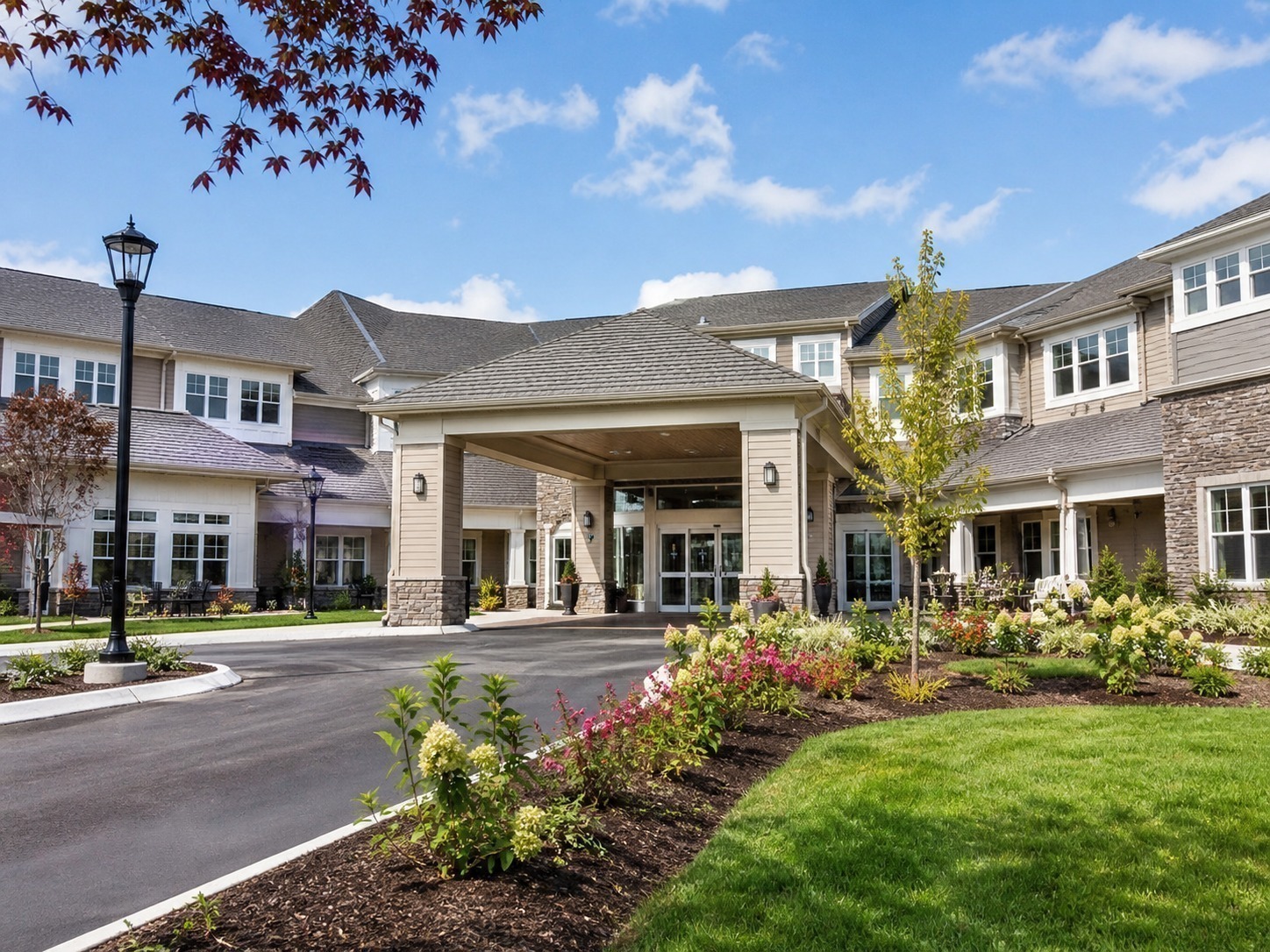
Symtech, a Pennsylvania-based vendor of life-safety communication systems, issued a May 19 press release describing its products for hospitals and long-term care settings across the Mid-Atlantic. This is not a major consumer news event by itself, but it does touch on something families often overlook when choosing care: the behind-the-scenes systems that affect response times, resident safety, and how well staff can monitor higher-risk residents.
What happened
In the release, Symtech said it provides customized communication and safety systems for healthcare facilities, including nurse call systems, digital whiteboards, real-time location systems, paging, infant protection, and wander management tools. The company says it serves providers in Pennsylvania, New Jersey, Maryland, Delaware, Washington, D.C., and Northern Virginia.
For senior care readers, the most relevant items are the nurse call and wander management pieces. Nurse call systems are the call buttons or pull-cords residents use to request help. Wander management systems are designed to alert staff if a resident with dementia or another cognitive condition enters a restricted area or tries to leave a protected space.
The release mostly markets Symtech's services to healthcare operators. It does not provide pricing, adoption rates, independent performance data, inspection findings, or evidence that any specific assisted living or memory care community has improved outcomes because of these systems.
What this may mean for families
If you are comparing assisted living or memory care, this announcement is a reminder to ask concrete questions about safety technology, not just amenities. A community may advertise attentive care, but families should also ask how residents summon help, how overnight response works, whether alerts go to mobile staff devices, and how the building handles residents who are at risk of wandering.
This matters most in memory care and in assisted living settings where residents need help transferring, toileting, or managing falls. Technology does not replace staffing, but it can affect whether staff know quickly that someone needs help. When touring a community, families may want to use a checklist like questions to ask on an assisted living tour and compare answers with guidance on how to compare assisted living communities. If a loved one has dementia, it is also worth reviewing the differences between assisted living and memory care, since wander risk and secured-unit design can vary widely.
Families should also remember that a modern call system does not automatically mean better care. The bigger question is whether enough trained staff are available to respond. A building with good equipment but thin staffing can still leave residents waiting. That is why it helps to ask both what technology is in place and what daily staffing coverage looks like.
What to keep in mind
This source is a PRNewswire promotional release, not an inspection report, government dataset, or neutral study. It tells you what Symtech sells, but not how often these systems are used in assisted living, how much they cost operators, or whether those costs are passed on to residents through higher monthly fees.
It also does not tell families whether a given community maintains its systems well, trains staff consistently, or has a strong response culture. In senior care, the gap between "we have the technology" and "it works reliably in daily life" can be significant. That is one reason families should pair marketing claims with state inspection records, complaint history when available, and direct questions during tours.
Bigger picture: safety systems matter, but staffing still matters more
Across senior care, communities are under pressure to improve safety while also managing labor shortages and rising operating costs. Tools like nurse call platforms, location tracking, and wander management can help staff work more efficiently, especially in larger buildings or memory care settings. But these tools are support systems, not substitutes for hands-on care.
For families, the practical takeaway is to treat safety technology as one part of the decision. It belongs alongside basics such as staffing stability, training, resident acuity, and what services are actually included in the monthly rate. If you are still figuring out what a community is supposed to provide, start with what assisted living actually includes.
Quick questions readers may ask
- Does this mean senior communities are getting safer? Not by itself. The release shows what one vendor offers, not whether communities are widely upgrading systems or improving care outcomes.
- Should families ask about nurse call and wander management during a tour? Yes. Those systems can affect response times and resident safety, especially in memory care or higher-needs assisted living.
- Will technology raise assisted living prices? It can add to operating or renovation costs, but this release gives no evidence about resident pricing or fee increases.